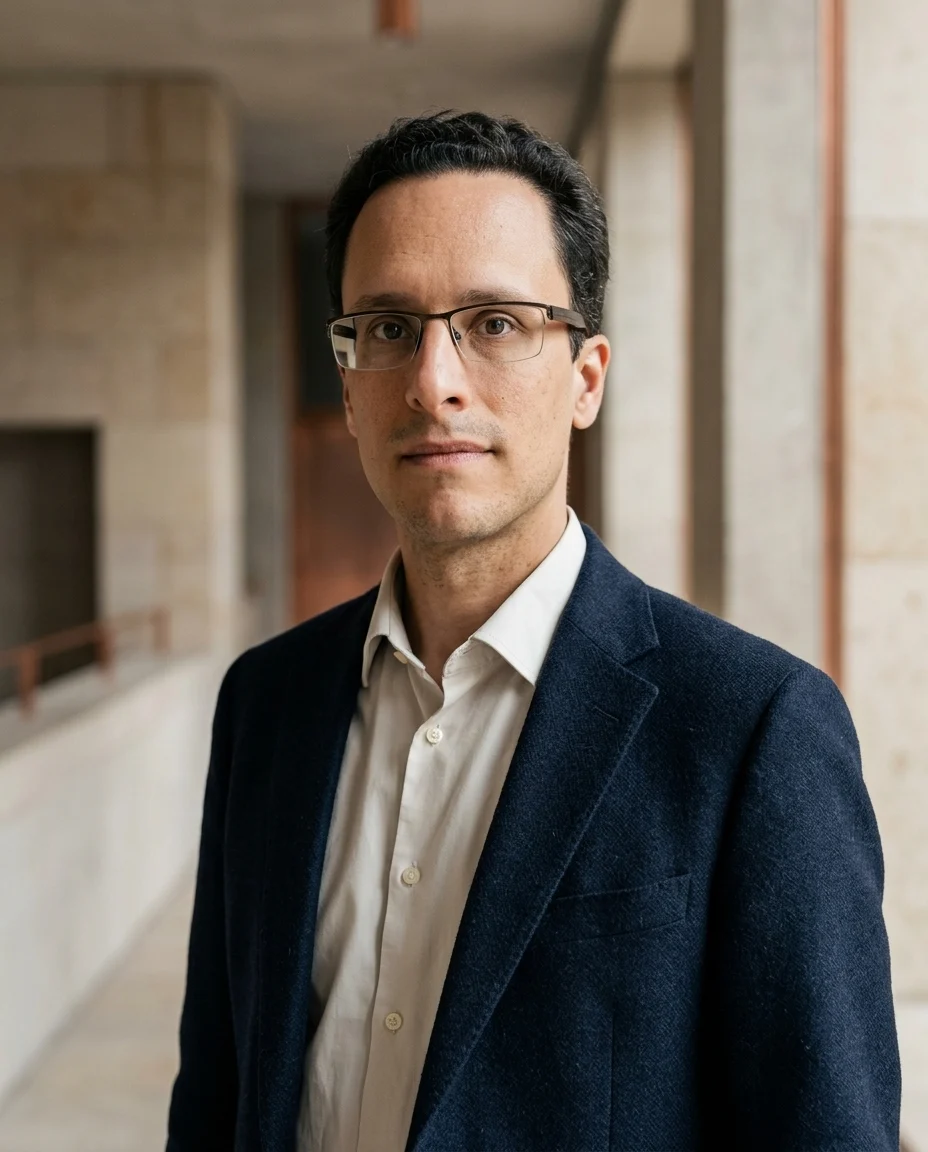
Technical founder working on asset transactions and verifiable communications.
I’m co-founder and CTO of Orbaclir / REClosure, and co-founder and Engineering Lead at Witnis. I write about the evidence, permissions, and records organizations need when software acts on their behalf.
Two products at different stages, each concerned with a concrete transaction or communication workflow.
01Early access
Asset transactions and tokenization
Orbaclir / REClosure
Co-founder and CTO
Infrastructure for asset onboarding and investor transaction workflows. The public product covers token issuance, purchases, whitelisting, clawbacks, and dividend distribution.
Engineering across physical and digital constraints.
My background spans aeronautical engineering, computer science, simulation, and cybersecurity. At Fraunhofer ITWM I worked on interactive vehicle simulation and 3D environment data; earlier cybersecurity work involved IMT Atlantique and Airbus.
A genuine supplier message can still be insufficient authority to redirect funds; the payment must be held until the exact destination is independently verified and approved.
If cognition becomes cheap, economic power moves toward physical capacity, institutional permission, and ownership of the systems that make decisions consequential.
A model recommendation becomes consequential only when evidence, delegated authority, policy, action, and settlement connect under rules an institution accepts.
A question I’m exploring
When does software become authorized action?
Software can create dependency without acquiring legitimate authority. I’m interested in the evidence, permissions, and records that let people accept—or refuse—what a system does on an organization’s behalf.